Spotlight On... Martyna Surma

30th June 2026
1. What aspect of REPAIR are you most involved in?
I am a Research Assistant on the Restoration team, where I contribute to the REPAIR project. My work is directly supervised by Associate Professor Blanche Cameron from UCL and Professor Kirsti Bohata from Swansea University, both of whom provide excellent support for my ongoing studies. My role involves identifying and exploring the barriers and opportunities to implementing Nature-based Solutions in social housing, using the Biome case study as an example. We primarily focus on the decision-making process and the role of the relevant stakeholders involved in delivering such investments. Moreover, we examine the social, economic, and environmental factors that lead to decisions. We also look at the social value embedded in the pre-development, construction, and post-occupancy stages. We are interested in how different sectors handle such innovative projects. We focus on retrofitting existing buildings, as this approach will help urban areas adapt more effectively to climate change.
2. What excites you most about this work?
We are currently in the interview stage of our research, which I find to be the most fascinating part of our study. We speak with stakeholders from different sectors involved in the development of the Biome. I enjoy this aspect because it helps me better understand the practical side of nature-based social housing and allows me to learn from those with the expertise to make such exciting developments happen. I appreciate meeting new people and am grateful that they are willing to share their professional knowledge during our relatively lengthy interviews.
3. What does biophilic living mean to you?
To me, biophilic living is a broad concept. I think about it holistically, but it primarily revolves around two key aspects: green spaces and a green lifestyle, as these two should be interconnected. You might live in a wonderful apartment with plenty of green features, but if your lifestyle is not environmentally friendly, it misses the point. Biophilic living means living in harmony with nature. It involves things like going for a walk in the park and segregating trash at home. It’s also about buying organic food or, better yet, growing it yourself on your balcony or in your garden.
4. Have your views on biophilic living changed since joining REPAIR?
Yes. Our collaborative work shows that biophilic living is a more nuanced concept than we initially thought. We have fantastic people from both academia and professional practice contributing, sharing their knowledge and exceptional experiences. We continuously learn from each other for the benefit of all involved.
5. What has been your most memorable REPAIR experience so far?
I have had many positive experiences, but perhaps the most memorable was my first visit to the Biome in Swansea during its construction phase. It was winter, and it was my first time in Wales, as well as my first opportunity to meet my colleagues just a week after my official appointment. I remember being really impressed by the quality of the building and the stunning sea view from one of the terraces. Although it was cold outside, the atmosphere inside was warm and inviting.
6. What is the most surprising thing you have learned through the project?
I find surprises in this work constantly, which I believe is the beauty of engaging in complex and transdisciplinary projects. One of the most surprising moments was during my visit to the archive at the University of Reading, where I discovered a very old architectural drawing of the original Woolworth building that once occupied our area before the Biome. It’s fascinating to realise that we are now contributing to the history of this place with the involvement of new people.
7. What do you enjoy most about working in a transdisciplinary team?
What I enjoy most is the continuous learning that happens within the team. It’s amazing how quickly we can acquire new knowledge while collaborating with others. Working in a transdisciplinary manner helps us make better progress in our work while enjoying the project.
8. What are your hopes for the future of REPAIR?
I hope that our work will lay the foundation for similar, if not improved, developments in the future. Nature-based Solutions are still quite rare in social housing investments, and I firmly believe that our project will help promote these solutions on a global scale. This is especially important for low-income communities around the world, which are most affected by the negative impacts of climate change.
9. Tell us about a place in nature that is important to you and why.
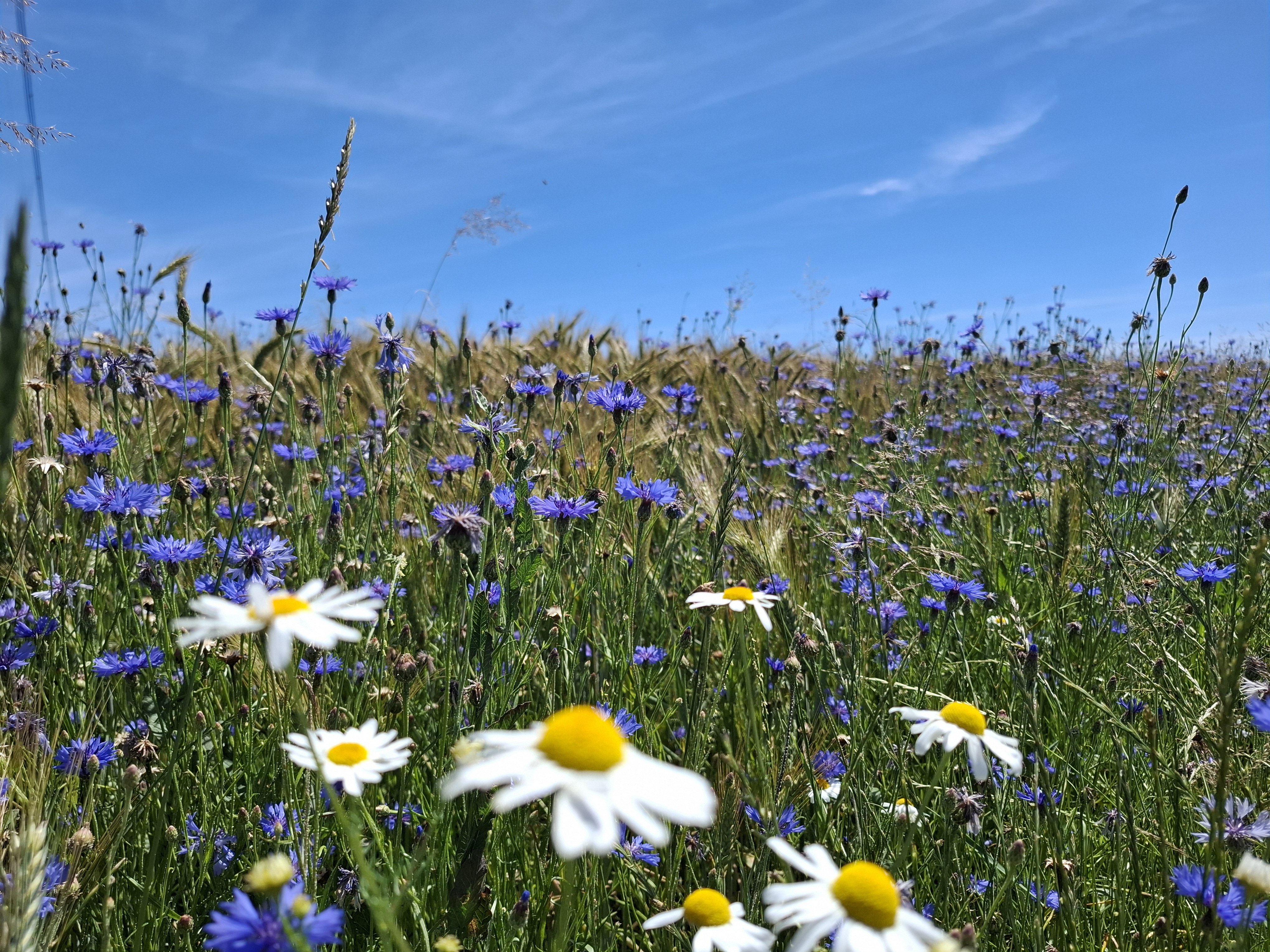
I have visited many beautiful places in nature around the world, but I feel a special connection to the Polish landscape due to my origins. In the summer, the golden fields and colourful meadows resonate with me. Yes, it represents biophilic living!