Luci Attala
University of Wales Trinity St David (Anthropology & deputy director of UNESCO-MOST Bridges, UK)

Cities face growing challenges from climate change, biodiversity loss, and declining connections with nature. Project REPAIR explores how biophilic living, which integrates nature into the places where we live, work, and move through cities, can help urban areas adapt while improving wellbeing, strengthening communities, and supporting ecological recover. The project aims to develop evidence-based and replicable pathways for urban adaptation and retrofit, helping transform existing buildings and neighbourhoods into healthier and more resilient environments.
Through a transdisciplinary and collaborative approach, REPAIR brings together expertise from the arts, humanities, sciences, and professional practice. Our research team includes specialists in design, architecture, creative writing, literature, history, law, anthropology, psychology, and ecology alongside societal partners working in social housing, construction, urban-nature restoration, and green infrastructure. Working closely with communities and local and international partners across health, government, the arts, and economic development, the project explores the cultural, social, and practical factors that encourage or prevent the adoption of biophilic living, helping to identify pathways for meaningful and lasting change.
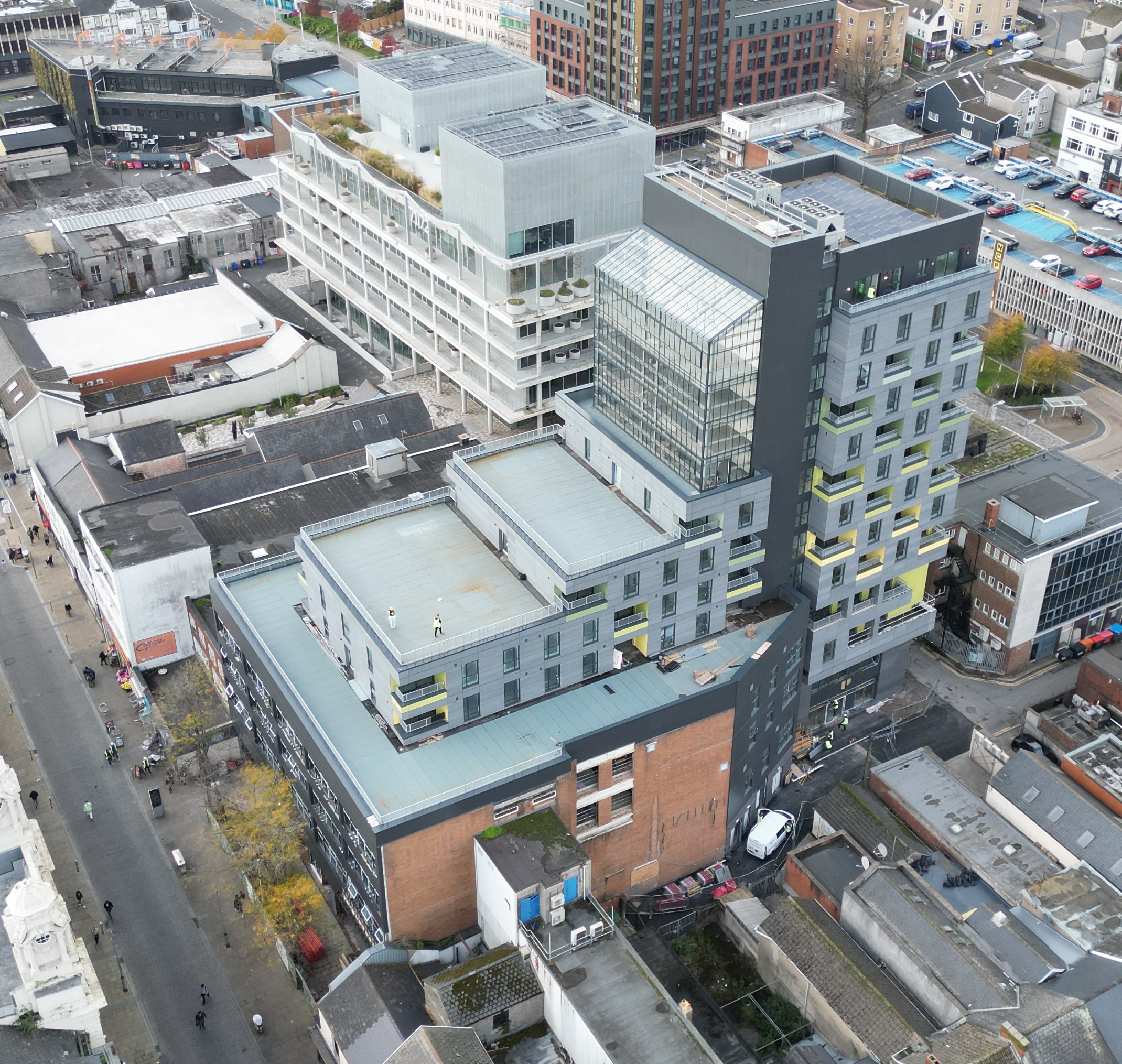
At the heart of Project REPAIR is BIOME Swansea, the retrofit of a former Woolworths building into a community-centred, mixed-use biophilic development, incorporating social housing, community spaces, and nature-integrated design.
BIOME provides a unique real-word laboratory for studying nature-based urban transformation.
Key insights include:
BIOME demonstrates both evidence-based research and a public showcase of what biophilic urban living can look like in practice.
As part of its research, Project REPAIR is piloting a Team Convening approach that supports collaborative leadership, inclusive governance, shared development, and reflexive practice. This model helps diverse teams work effectively across disciplines and sectors, strengthening transdisciplinary research and collaboration between researchers, practitioners, and community partners.
Learn more about the Team Convening approach: Thrive at University of Liverpool
Below are the co-leads and key members who guide and deliver the research:
Luci Attala
University of Wales Trinity St David (Anthropology & deputy director of UNESCO-MOST Bridges, UK)
Kirsti Bohata
Swansea University (English Literature)

Blanche Cameron
University College London (Bartlett School of Architecture, Nature-based solutions)

Becky Cole
Codi Group (Social Housing)
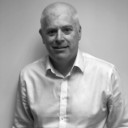
Carwyn Davies
Hacer Developments Ltd (Construction)

Nia Davies
Swansea University (Creative Writing)
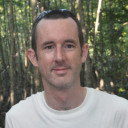
Mike Fowler
Swansea University (Biosciences)
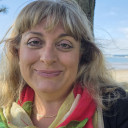
Penny Gruffydd
City and County of Swansea Council (Landscape and Green Infrastructure)

Victoria Jenkins
Swansea University (Hilary Rodham School of Law)

Andrew Kemp
Swansea University (Psychology)
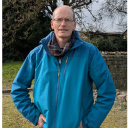
Gethin Matthews
Swansea University (History)
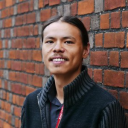
Chris Pak
Swansea University (Contemporary Writing and Digital Cultures)

Geoff Proffitt
Swansea University, (Biosciences)

Yolanda Rendón-Guerrero
University of Wales Trinity St David (Architecture/ATiC)

Fran Rolfe
Natural Resources Wales (Green Infrastructure)

Lucy Ralph
Hacer Developments Ltd (Construction)

REPAIR Research Assistant, Swansea University

WGSSS ESRC Postdoctoral Research Fellow, School of Psychology, Swansea University

Senior Lecturer, School of Psychology, Swansea University

Lecturer in Psychology, University of Wales Trinity St David
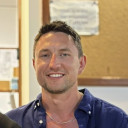
Hal Szary
Biodiversity Technician, Biosciences, Swansea University

Samantha McGrath
Student Intern (January to June 2026), Swansea College of Art, University of Wales Trinity St David

Thea Wakefield
Student Intern, Swansea College of Art, University of Wales Trinity St David

Brandon Roberts
UWTSD and CWIC

Megan Cumming
Research Assistant at Swansea University.
Project REPAIR is supported by an International Advisory Board and a diverse network of partners across academia, industry, government, and community organisations.
Together, these collaborations help ensure that the project's research and insights are practical, relevant, and scalable, supporting the wider adoption of biophilic living.
Over the course of the project, REPAIR we will generate a range of outputs designed to support biophilic living, including:
These outputs will be shared openly to support the wider adoption of biophilic living across the UK and beyond.
Get InvolvedREPAIR is a collaborative project bringing together communities, practitioners, policymakers, and researchers. There are many ways to get involved, including:
If you would like to get in touch with the team or learn more about upcoming opportunities, please contact us: Email: REPAIR@swansea.ac.uk |